
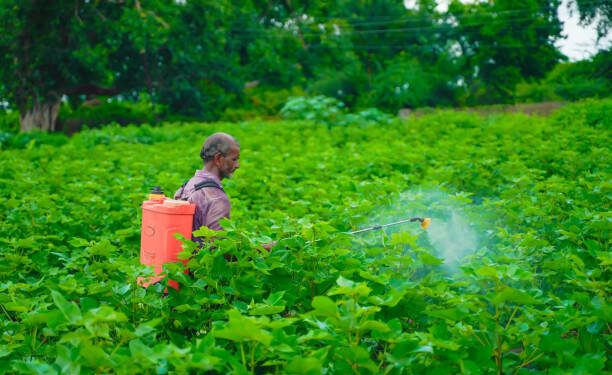
Crop sprays — including insecticides, fungicides, and herbicides — are vital tools in modern farming. They protect crops from pests, diseases, and weeds that can destroy harvests. But while sprays are powerful, using them incorrectly can cause harm to crops, the environment, and even farmers’ health.
This blog explores the safe and effective use of sprays to ensure maximum benefit with minimal risk.
🌾 Why Agricultural Sprays Are Important
- Insecticides → Protect crops from harmful insects.
- Fungicides → Control plant diseases like rust and blight.
- Herbicides → Manage weeds that compete with crops.
Without timely sprays, farmers may lose up to 40–50% of their yield.
❌ Common Mistakes in Spraying
- Using too much chemical → crop damage & resistance buildup.
- Spraying in windy or rainy weather → wastage & pollution.
- Not wearing protective gear → health risks for farmers.
- Mixing chemicals randomly without guidance.
✅ Best Practices for Safe Spraying
- Read Labels Carefully – Follow recommended dose and timing.
- Wear Safety Equipment – Gloves, masks, goggles, and boots.
- Spray in the Right Conditions – Early morning or evening, when wind is calm.
- Mix Chemicals Properly – Use clean water and avoid overdosing.
- Rotate Chemicals – Prevents pests from developing resistance.
- Clean Equipment – Wash sprayers after every use.
🌿 Eco-Friendly Spray Practices
- Use biopesticides when possible.
- Combine chemical sprays with natural pest management.
- Avoid spraying during pollination to protect bees.
🌱 Conclusion
Sprays are essential for protecting crops, but they must be used safely and wisely. Following best practices ensures higher yields, safer food, and a healthier environment. Farmers who adopt safe spraying not only protect their crops but also their own health and future.