
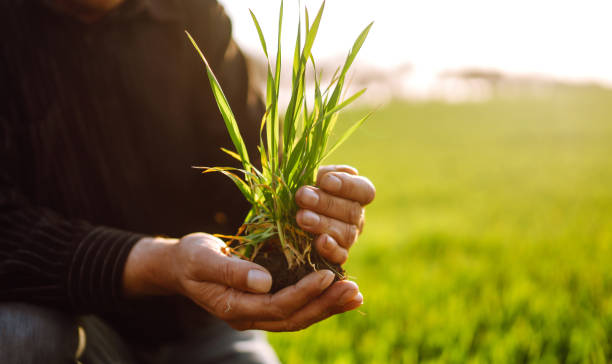
In Pakistan, agriculture is the backbone of the economy, employing nearly half of the workforce and contributing significantly to GDP. However, one of the most common challenges farmers face is declining soil fertility. Continuous cropping, improper fertilizer use, and lack of soil care are reducing yields over time. This is where soil testing becomes essential.
Why Soil Testing Matters
Soil testing provides farmers with detailed information about:
- pH levels (acidic, neutral, or alkaline soils).
- Nutrient content (nitrogen, phosphorus, potassium, and micronutrients).
- Organic matter percentage and overall soil health.
In Pakistan, many farmers apply fertilizers blindly without knowing their soil’s actual needs. As a result:
- Some nutrients get overused, damaging the soil.
- Other nutrients are missing, reducing crop yields.
- Farmers spend more money than necessary on fertilizers.
Benefits for Pakistani Farmers
- Better Crop Yields – Balanced fertilizers improve plant growth.
- Cost Savings – Farmers avoid wasting money on unnecessary fertilizers.
- Sustainable Farming – Maintains soil fertility for future generations.
- Targeted Solutions – Farmers get crop-specific fertilizer recommendations.
Conclusion
Soil testing is not an extra cost—it’s an investment. If Pakistani farmers adopt regular soil analysis, they can increase productivity, reduce costs, and protect their land for long-term farming.